
Postpartum Therapy in Irvine and Orange County, CA
Tannaz Alagheband, LCSW, PMH-C, Certified EMDR Therapist
Postpartum support and therapy for new moms:
If you're a new mom in Irvine, Orange County, or anywhere in California and you're not feeling like yourself, you're not alone. Postpartum anxiety, depression, birth trauma, and the emotional weight of early motherhood are more common than most people talk about and they deserve real, specialized support.
I'm Tannaz Alagheband, LCSW, PMH-C, a certified EMDR therapist and perinatal mental health specialist based in Irvine. I work with new moms navigating postpartum anxiety, birth trauma, postpartum PTSD, and the identity shifts that come with motherhood. I offer in-person sessions in Irvine and telehealth throughout California
Signs You May Be Experiencing Postpartum Anxiety or Depression
Postpartum anxiety can look like:
Racing thoughts you can't shut off
Constant worry about your baby's safety
Feeling on edge, irritable, or unable to relax
Trouble sleeping even when the baby sleeps
A sense that something bad is about to happen
Postpartum depression can look like:
Persistent sadness, numbness, or loss of interest
Feeling disconnected from your baby or yourself
Changes in sleep or appetite
Fatigue and low energy that doesn't improve with rest
Feelings of guilt, worthlessness, or self-blame
Withdrawing from your partner, friends, or family
Both are common, both are real, and both are treatable. You don't need to be in crisis to reach out for support.
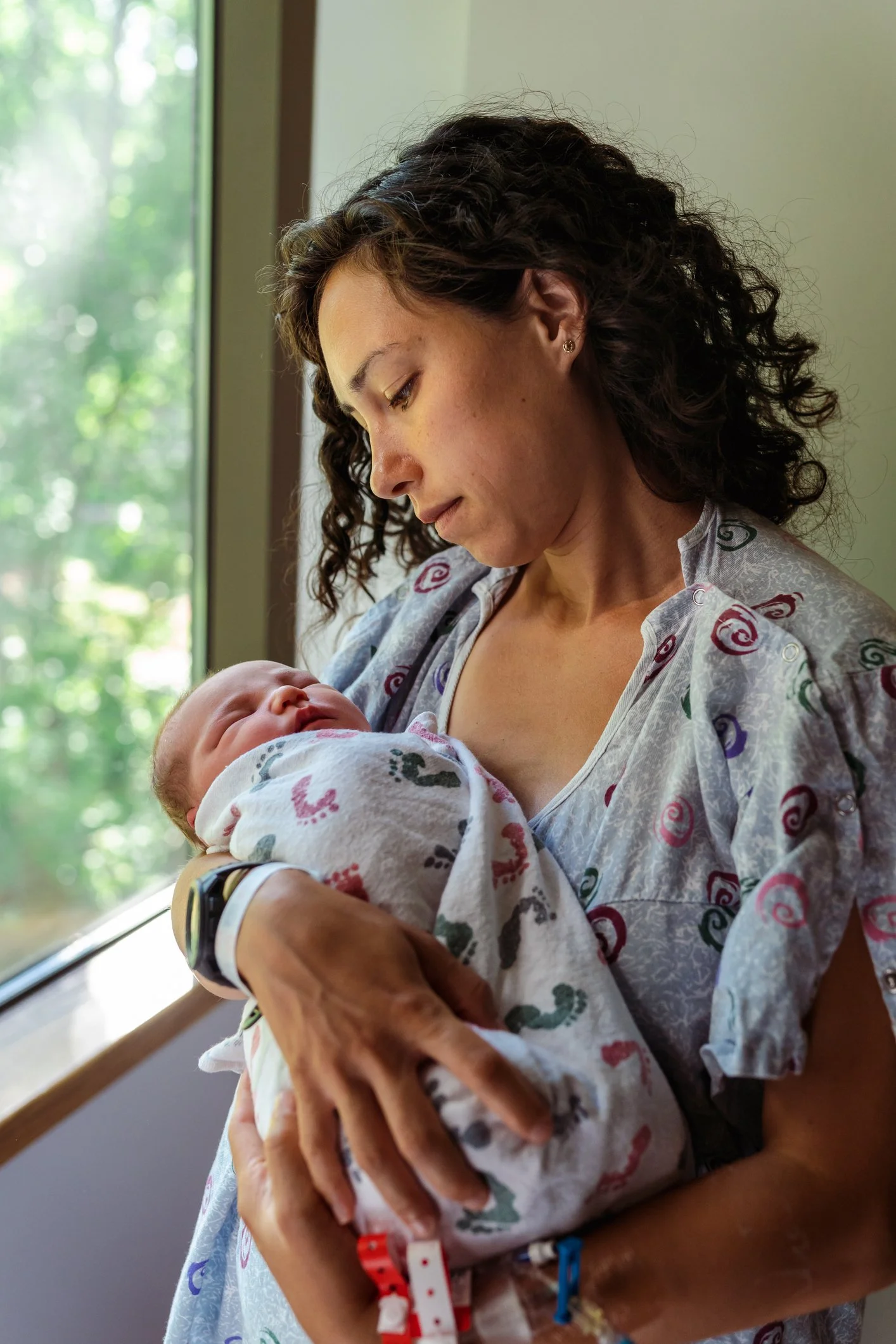
Birth Trauma and Postpartum PTSD Therapy in Irvine and Orange County
Not all birth experiences go as hoped. A difficult labor, emergency intervention, feeling unheard by medical staff, or a frightening outcome can leave emotional wounds that are hard to name.
Birth trauma can lead to postpartum PTSD, with symptoms including:
Flashbacks or intrusive memories of the birth
Avoiding reminders of the birth experience
Heightened reactivity, irritability, or difficulty sleeping
Feeling emotionally numb or disconnected
EMDR therapy is particularly effective for birth trauma and postpartum PTSD. It works at the level of the nervous system to help process distressing memories so they lose their emotional charge over time.
You deserve a space to process what happened and find your way back to yourself.
How Postpartum Therapy can Help:
Becoming a mom is one of the most significant transitions you will go through. It can stir up joy, vulnerability, grief, and uncertainty all at once. Postpartum therapy offers a compassionate space to make sense of your emotions as you navigate this shift, while feeling more grounded, seen, and supported.
Reclaiming Identity The shift into motherhood often means redefining who you are. You may feel like parts of your old self have faded. Therapy can help you explore this new identity while staying connected to other parts of you.
Navigating Relationship Shifts The arrival of a baby changes everything, especially your relationships. You may feel distant from your partner, disconnected from friends, or overwhelmed by family dynamics. Therapy can support healthier communication and more understanding in your relationships.
Setting Boundaries and Honoring Your Needs Postpartum is a time when everyone has opinions and expectations. Therapy helps you build confidence in your own voice, set boundaries, and tend to your emotional and physical needs.
Balancing Work and Motherhood Returning to work can bring anxiety, guilt, or feelings of inadequacy. Whether you are navigating separation anxiety, career identity, or the mental load, therapy can help you find more balance and ease.
Healing from Birth and Reproductive Trauma If your path to motherhood has included infertility, loss, or a traumatic birth, you are not alone. Using EMDR and somatic therapy, I help you process unresolved trauma and reconnect with a sense of safety in your body and mind.
My Approach to Postpartum Therapy in Irvine and Orange County
I offer postpartum therapy in Irvine, Orange County, and online throughout California. My approach is integrative and relational, grounded in an understanding of how the postpartum period affects both emotional wellbeing and the nervous system.
My work creates space for gentle processing and regulation, so you are not just getting through each day but gradually feeling more like yourself again. This may include:
EMDR and EMDR Intensives to process distressing or traumatic experiences, and the self-critical beliefs that can surface in motherhood such as "I am not enough" or "I am failing."
Mindfulness-based somatic support to help you feel more grounded, present, and connected to your body during a time when it can feel unfamiliar.
Culturally sensitive care that honors your background, values, and family expectations. For many moms from immigrant or bicultural families, the postpartum period brings an additional layer around identity, family pressure, and unspoken expectations. This is something I understand personally and professionally, and it is always welcome in our work together
Whether you are navigating postpartum anxiety, postpartum depression, birth trauma, or simply feeling disconnected from yourself after becoming a mom, you don't have to figure it out alone.
I work with new moms in Irvine, Orange County, and throughout California who are ready for support that truly understands this season of life. I would love to be part of your care team.
Book a free 15-minute consultation to explore whether we are a good fit
FAQs for postpartum therapy
-
If you are feeling anxious, overwhelmed, numb, or unlike yourself after giving birth and these feelings are interfering with your daily life, therapy can help. You do not need a diagnosis or a crisis point to reach out. If something feels off, that is reason enough to seek support.
-
Postpartum depression and postpartum anxiety are two distinct conditions that can occur separately or at the same time. Postpartum depression tends to show up as persistent sadness, emotional numbness, difficulty bonding with your baby, or feeling like you're failing as a mother. Postpartum anxiety looks more like racing thoughts, constant worry, physical tension, and difficulty relaxing, even when things are calm. Both are common, both are treatable, and neither means something is wrong with you as a mother. If you're not sure which one fits your experience, that's okay. Therapy can help you sort through what you're feeling and find the right support.
-
The baby blues are very common in the first one to two weeks after birth and typically resolve on their own. Postpartum depression is more persistent, lasting beyond two weeks, and can include symptoms like ongoing sadness, numbness, difficulty bonding with your baby, changes in sleep and appetite, and feelings of guilt or worthlessness. If your symptoms are not improving or are getting worse, postpartum therapy can help.
-
Yes. Postpartum rage and irritability are more common than most people realize, and they're often a sign of an overwhelmed nervous system rather than anything wrong with your character. Many moms feel intense shame about these feelings because they don't fit the image of what a "good mother" is supposed to feel. Therapy offers a space to explore what's underneath the anger, whether that's grief, depletion, unmet needs, or unresolved experiences, and to find more regulation and ease over time.
-
Yes. Postpartum anxiety often includes intense worry specifically about your baby's safety, racing thoughts you cannot shut off, and difficulty relaxing even when everything is fine. It is very common and very treatable with the right support.
-
Postpartum therapy is specialized care for the unique emotional, relational, and neurobiological shifts that happen after having a baby. A therapist with perinatal training understands the hormonal changes of the postpartum period, the impact of sleep deprivation on mood and anxiety, the identity shift that comes with becoming a mother, and how trauma from birth or the perinatal journey can show up in the postpartum period. This is different from general therapy, which may not have the same depth of knowledge around these specific experiences.
-
Absolutely. EMDR helps process distressing birth experiences so they feel less emotionally charged over time. It can reduce flashbacks, guilt, and body-based anxiety, helping you feel safer and more grounded in your day to day life.
-
Yes. A NICU stay can be deeply traumatic for both you and your baby, and the emotional impact often lingers long after your baby comes home. Many NICU parents describe a complicated mix of relief, fear, grief, guilt, and hypervigilance that can be hard to process on their own. EMDR therapy is particularly effective for the kind of acute stress and traumatic memories that can follow a NICU experience. You don't have to wait until things feel "bad enough" to reach out
-
Absolutely. Starting therapy during pregnancy is one of the most proactive things you can do for your postpartum wellbeing. If you have a history of anxiety, depression, trauma, infertility, or pregnancy loss, prenatal therapy can help you prepare emotionally, process anything that's coming up as your due date approaches, and have a support system already in place for when your baby arrives.
-
Yes. Therapy creates space to process your emotions, navigate this new version of yourself, and move through this transition with more compassion and clarity. Many moms find that having a dedicated space just for them makes a meaningful difference.
-
Yes. I offer HIPAA compliant telehealth to new moms throughout California. Whether you are in Orange County, Los Angeles, San Diego, or anywhere else in the state, you can access postpartum therapy from the comfort of your home
-
PMH-C stands for Perinatal Mental Health Certification, meaning the therapist has specialized training and certification to support pregnancy, postpartum, and reproductive mental health. Seeing a PMH-C certified therapist ensures you receive care that truly understands the unique emotional, hormonal, and life changes of this period